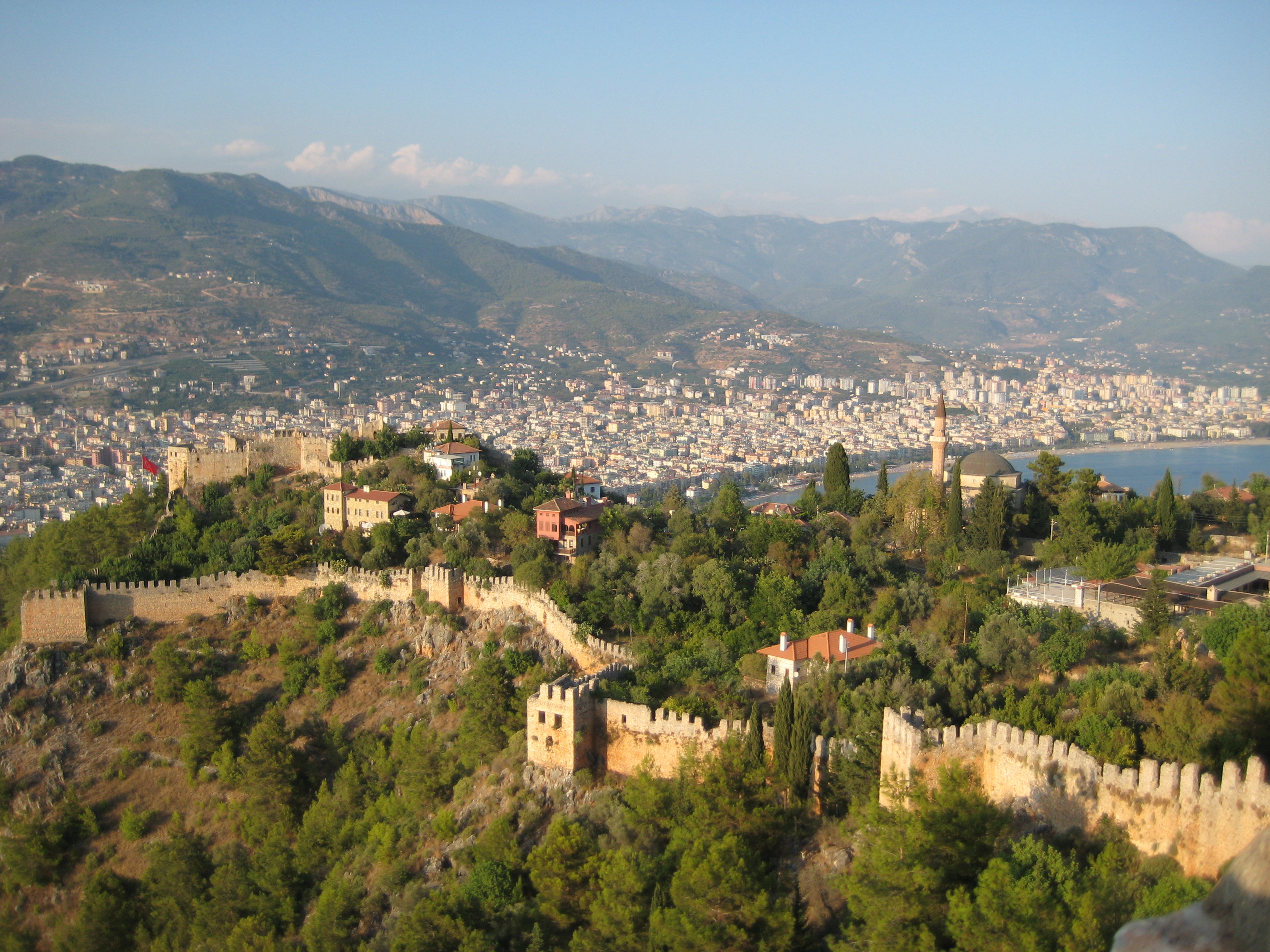
Damlataş Cave
## Welcome to Damlataş Cave: Alanya's Hidden Healing Sanctuary When you visit Alanya, your trip wouldn't be complete without stepping into the enchanting world of Damlataş Cave, Turkey's first cave opened to tourism. Named after the drops of water that fall from its stalactites (Damlataş means 'stone of drops'), this unique cave is renowned not only for its natural beauty but also for its therapeutic properties. If you suffer from respiratory issues, or simply wish to witness an exceptional work of nature, Damlataş Cave is an ideal stop for you. As you pass through the cave's entrance, you're greeted by cool, humid air. The consistent temperature of 22-23°C (72-73°F), 90-98% humidity, and high carbon dioxide levels within the cave create a natural healing environment, especially beneficial for asthma sufferers. Scientific research has indicated that the cave's air can help alleviate asthma symptoms. Consequently, many individuals visit here seeking relief and report feeling better after regular visits. The visual spectacle of Damlataş Cave is truly captivating. Stalactites and stalagmites, formed over millions of years, rise in various shapes and sizes throughout every corner of the cave. The interior lighting further enhances the beauty of these natural formations, offering visitors what feels like an underground art gallery. These structures, each a result of centuries of work by a single drop of water, are testaments to nature's patience and power. You should proceed slowly and calmly to fully appreciate the cave's formation process and geological features. The pathways inside are well-maintained and provide a safe experience for visitors of all ages. Located in the heart of Alanya, very close to Kleopatra Beach, Damlataş Cave is easily accessible. You can effortlessly incorporate it into your day trips during your stay in Alanya. A visit to the cave typically lasts around 30-45 minutes, though those who wish to savour the atmosphere might stay longer. Should you wish to explore more of this region, you can also check out [other beauties in the Alanya region](/{locale}/regions/alanya). Beyond this healing experience, you might also consider options like [Antalya city tours](/{locale}/tours/antalya-city-tour) to discover the stunning beauty and history of Antalya. Damlataş Cave is not merely a tourist attraction in Alanya, but also a refuge where you can rejuvenate both body and soul.