HeyAntalya

Top Attractions in Antalya

Waterfalls, Roman theaters, mountaintop ruins, harbors and hidden coves — the landmarks that define Antalya's Mediterranean coast.

Antalya Museum

Antalya Museum

## Overview Antalya Museum is one of Türkiye's largest archaeology museums, opened in 1922 and rebuilt in Konyaaltı in 1972. This is one of the essential sights in Antalya and rewards visitors who arrive with a little context and a full water bottle. ## A short history Standing on the site today, it is easy to forget that Antalya Museum has survived earthquakes, empires and centuries of neglect. What you see is the accumulated work — and loss — of Hellenistic, Roman, Byzantine and Ottoman hands. Nineteenth-century travellers wrote of overgrown ruins reclaimed by pine forest; modern excavations, most of them Turkish-led since the 1940s, have brought the site back to life while preserving its patina. ## What to see, section by section - **Hall of Regional Excavations.** A highlight of any visit, and worth pausing for photographs and a moment of quiet. - **Hall of Gods (Perge marbles).** A highlight of any visit, and worth pausing for photographs and a moment of quiet. - **Hall of Emperors.** A highlight of any visit, and worth pausing for photographs and a moment of quiet. - **Sarcophagus Hall.** A highlight of any visit, and worth pausing for photographs and a moment of quiet. - **Icon Room.** A highlight of any visit, and worth pausing for photographs and a moment of quiet. - **Ethnography wing.** A highlight of any visit, and worth pausing for photographs and a moment of quiet. Give yourself at least 90 minutes to walk between these areas without rushing; two to three hours if you photograph seriously. ## Best time to visit First thing in the morning or after 16:00 to dodge cruise-ship groups; winter weekdays are near-empty. Shoulder-season months (April–May and September–October) combine mild weather with thinner crowds, and the low-angled light in those months flatters every marble surface. ## Photo spots The most rewarding frames are the Weary Herakles rotunda, the Dancer statue, and the seaside terrace over Konyaaltı cliffs. Bring a wide-angle lens if you have one, and consider a polarizer to cut the Mediterranean glare. ## Tickets and hours - **Hours:** Tue–Sun 08:30–19:00 (Apr–Oct), 08:30–17:30 (Nov–Mar); closed Mondays in low season. - **Admission:** €12 (Museum Pass Antalya covers it; children under 8 free). The Museum Pass Antalya is almost always worth it if you are visiting two or more sites — it pays for itself quickly and lets you skip the ticket queue. ## How to get there Antray tram from Kaleiçi (Müze stop, 12 min, €0.50) beats a taxi (€6–8) and beats walking (35 min uphill). If time is short, a private guided tour with hotel pickup removes every logistical headache — see our related tours below. ## Insider tips - Bring your Museum Pass Antalya — it pays for itself after the second site. - Photography is allowed without flash; a 24mm lens fits the sarcophagi. - The seaside café behind the museum is criminally underused.

Termessos

Termessos

## Overview Termessos is a Pisidian eagle-nest city at 1050 m that repelled Alexander the Great in 333 BC and was abandoned after a 3rd-century earthquake. This is one of the essential sights in Antalya and rewards visitors who arrive with a little context and a full water bottle. ## A short history Standing on the site today, it is easy to forget that Termessos has survived earthquakes, empires and centuries of neglect. What you see is the accumulated work — and loss — of Hellenistic, Roman, Byzantine and Ottoman hands. Nineteenth-century travellers wrote of overgrown ruins reclaimed by pine forest; modern excavations, most of them Turkish-led since the 1940s, have brought the site back to life while preserving its patina. ## What to see, section by section - **the King's Road entrance with rock-cut cisterns.** A highlight of any visit, and worth pausing for photographs and a moment of quiet. - **the 4,000-seat theatre with a Taurus-Mountain drop.** A highlight of any visit, and worth pausing for photographs and a moment of quiet. - **the agora and gymnasium terraces.** A highlight of any visit, and worth pausing for photographs and a moment of quiet. - **the necropolis with 1,000 scattered sarcophagi.** A highlight of any visit, and worth pausing for photographs and a moment of quiet. - **the panoramic Yenice Boğazı viewpoint.** A highlight of any visit, and worth pausing for photographs and a moment of quiet. Give yourself at least 90 minutes to walk between these areas without rushing; two to three hours if you photograph seriously. ## Best time to visit April–may or october for cool hiking weather; avoid summer midday — the climb is exposed. Shoulder-season months (April–May and September–October) combine mild weather with thinner crowds, and the low-angled light in those months flatters every marble surface. ## Photo spots The most rewarding frames are the theatre-edge shot at 09:00 with mist below, and a sarcophagus half-swallowed by pine roots. Bring a wide-angle lens if you have one, and consider a polarizer to cut the Mediterranean glare. ## Tickets and hours - **Hours:** daily 08:00–19:00 (Apr–Oct), 08:30–17:30 (Nov–Mar). - **Admission:** €5 park entry; free parking; no on-site café. The Museum Pass Antalya is almost always worth it if you are visiting two or more sites — it pays for itself quickly and lets you skip the ticket queue. ## How to get there 34 km north-west of Antalya inside Güllük Dağı National Park; rental car (45 min) is the only sensible option — no public transport reaches the trailhead. If time is short, a private guided tour with hotel pickup removes every logistical headache — see our related tours below. ## Insider tips - This is a genuine 1.5-hour uphill hike — wear trail shoes and bring 2 L of water. - Watch for mountain goats and, in April, wild orchids. - Leave by 15:00; the road out is unlit and full of hairpins.

Suluada Island

Suluada Island

## Overview Suluada Island is a two-hectare limestone island off Adrasan, nicknamed the 'Maldives of Türkiye' for its turquoise shallows and white pebble coves. This is one of the essential sights in Antalya and rewards visitors who arrive with a little context and a full water bottle. ## A short history Standing on the site today, it is easy to forget that Suluada Island has survived earthquakes, empires and centuries of neglect. What you see is the accumulated work — and loss — of Hellenistic, Roman, Byzantine and Ottoman hands. Nineteenth-century travellers wrote of overgrown ruins reclaimed by pine forest; modern excavations, most of them Turkish-led since the 1940s, have brought the site back to life while preserving its patina. ## What to see, section by section - **the north cove with a shallow sandbar.** A highlight of any visit, and worth pausing for photographs and a moment of quiet. - **the south cove with sea caves.** A highlight of any visit, and worth pausing for photographs and a moment of quiet. - **the drift-through arch between the two bays.** A highlight of any visit, and worth pausing for photographs and a moment of quiet. - **the Adrasan harbour boats.** A highlight of any visit, and worth pausing for photographs and a moment of quiet. - **the pine-scented Adrasan beach for the return.** A highlight of any visit, and worth pausing for photographs and a moment of quiet. Give yourself at least 90 minutes to walk between these areas without rushing; two to three hours if you photograph seriously. ## Best time to visit June–september for calm sea; strong meltem winds can cancel trips in july afternoons. Shoulder-season months (April–May and September–October) combine mild weather with thinner crowds, and the low-angled light in those months flatters every marble surface. ## Photo spots The most rewarding frames are the sandbar from a drone or the boat's mast, and the arch swim-through with side lighting. Bring a wide-angle lens if you have one, and consider a polarizer to cut the Mediterranean glare. ## Tickets and hours - **Hours:** day boats depart 10:00 return 17:00; no overnight access. - **Admission:** day boat from Adrasan €25–35 including lunch and swim stops. The Museum Pass Antalya is almost always worth it if you are visiting two or more sites — it pays for itself quickly and lets you skip the ticket queue. ## How to get there Suluada is accessible only by boat from Adrasan harbour; Adrasan is 90 km south-west of Antalya, and most visitors book a hotel-pickup boat tour rather than driving. If time is short, a private guided tour with hotel pickup removes every logistical headache — see our related tours below. ## Insider tips - The pebbles are hot and sharp — pack reef shoes. - There is no shade or shop on the island; bring extra water. - Choose a smaller 20-person gulet over the 80-passenger party boats.

Phaselis

Phaselis

## Overview Phaselis is a 7th-century BC Lycian-Rhodian trading port with three natural harbours, later a Roman city visited by Alexander the Great in 333 BC. This is one of the essential sights in Antalya and rewards visitors who arrive with a little context and a full water bottle. ## A short history Standing on the site today, it is easy to forget that Phaselis has survived earthquakes, empires and centuries of neglect. What you see is the accumulated work — and loss — of Hellenistic, Roman, Byzantine and Ottoman hands. Nineteenth-century travellers wrote of overgrown ruins reclaimed by pine forest; modern excavations, most of them Turkish-led since the 1940s, have brought the site back to life while preserving its patina. ## What to see, section by section - **Hadrian's Gate at the entrance.** A highlight of any visit, and worth pausing for photographs and a moment of quiet. - **the marble main street between two harbours.** A highlight of any visit, and worth pausing for photographs and a moment of quiet. - **the Roman theatre framed by pines.** A highlight of any visit, and worth pausing for photographs and a moment of quiet. - **the aqueduct arches.** A highlight of any visit, and worth pausing for photographs and a moment of quiet. - **the three swim-friendly harbours (north, south and central).** A highlight of any visit, and worth pausing for photographs and a moment of quiet. - **the pine-shaded picnic grove.** A highlight of any visit, and worth pausing for photographs and a moment of quiet. Give yourself at least 90 minutes to walk between these areas without rushing; two to three hours if you photograph seriously. ## Best time to visit May–june before school holidays; the harbours are perfect for a ruins-and-swim combo. Shoulder-season months (April–May and September–October) combine mild weather with thinner crowds, and the low-angled light in those months flatters every marble surface. ## Photo spots The most rewarding frames are the harbour arch with a swimmer for scale, and the theatre through the pines at 16:00. Bring a wide-angle lens if you have one, and consider a polarizer to cut the Mediterranean glare. ## Tickets and hours - **Hours:** daily 08:00–19:00 (Apr–Oct), 08:30–17:30 (Nov–Mar). - **Admission:** €8 (Museum Pass Antalya included; parking €2). The Museum Pass Antalya is almost always worth it if you are visiting two or more sites — it pays for itself quickly and lets you skip the ticket queue. ## How to get there 55 km south-west of Antalya near Tekirova; rental car 45 min, or Kemer dolmuş plus a 3 km walk (or €10 taxi) from the D400 junction. If time is short, a private guided tour with hotel pickup removes every logistical headache — see our related tours below. ## Insider tips - Bring a mask and snorkel — the south harbour has submerged column drums. - Pack a picnic; the on-site café is basic and pricey. - Arrive before 10:00 in July–August or the parking overflows.

Perge

Perge

## Overview Perge is a Pamphylian capital founded around 1000 BC, visited by Alexander the Great and Saint Paul, whose Roman phase peaked in the 2nd century AD. This is one of the essential sights in Antalya and rewards visitors who arrive with a little context and a full water bottle. ## A short history Standing on the site today, it is easy to forget that Perge has survived earthquakes, empires and centuries of neglect. What you see is the accumulated work — and loss — of Hellenistic, Roman, Byzantine and Ottoman hands. Nineteenth-century travellers wrote of overgrown ruins reclaimed by pine forest; modern excavations, most of them Turkish-led since the 1940s, have brought the site back to life while preserving its patina. ## What to see, section by section - **the Hellenistic gate and horseshoe towers.** A highlight of any visit, and worth pausing for photographs and a moment of quiet. - **the 300 m colonnaded main street with water channel.** A highlight of any visit, and worth pausing for photographs and a moment of quiet. - **the Roman baths with intact hypocaust.** A highlight of any visit, and worth pausing for photographs and a moment of quiet. - **the stadium seating 12,000.** A highlight of any visit, and worth pausing for photographs and a moment of quiet. - **the theatre (currently under restoration).** A highlight of any visit, and worth pausing for photographs and a moment of quiet. - **the agora with intact mosaic paving.** A highlight of any visit, and worth pausing for photographs and a moment of quiet. Give yourself at least 90 minutes to walk between these areas without rushing; two to three hours if you photograph seriously. ## Best time to visit Early morning or late afternoon; there is almost no shade on site so avoid midday in july–august. Shoulder-season months (April–May and September–October) combine mild weather with thinner crowds, and the low-angled light in those months flatters every marble surface. ## Photo spots The most rewarding frames are the colonnade at 09:00 with side-light on the columns, and the stadium tunnel vaults. Bring a wide-angle lens if you have one, and consider a polarizer to cut the Mediterranean glare. ## Tickets and hours - **Hours:** daily 08:00–19:00 (Apr–Oct), 08:30–17:30 (Nov–Mar). - **Admission:** €10 (Museum Pass Antalya included; parking €2). The Museum Pass Antalya is almost always worth it if you are visiting two or more sites — it pays for itself quickly and lets you skip the ticket queue. ## How to get there 18 km east of Antalya near Aksu; local bus AC08 from Meydan (€0.80) plus a 2 km walk, or taxi (€15) from Kaleiçi. Most tours pair it with Aspendos and Side. If time is short, a private guided tour with hotel pickup removes every logistical headache — see our related tours below. ## Insider tips - Bring 2 L of water — the on-site kiosk is unreliable. - The best Perge marbles are actually in the Antalya Museum; visit both to complete the picture. - A wide-angle lens is essential for the colonnade.

Köprülü Canyon

Köprülü Canyon

## Overview Köprülü Canyon is a 14 km limestone gorge carved by the Köprüçay River, a national park since 1973 and Türkiye's premier white-water venue. This is one of the essential sights in Antalya and rewards visitors who arrive with a little context and a full water bottle. ## A short history Standing on the site today, it is easy to forget that Köprülü Canyon has survived earthquakes, empires and centuries of neglect. What you see is the accumulated work — and loss — of Hellenistic, Roman, Byzantine and Ottoman hands. Nineteenth-century travellers wrote of overgrown ruins reclaimed by pine forest; modern excavations, most of them Turkish-led since the 1940s, have brought the site back to life while preserving its patina. ## What to see, section by section - **the Roman Oluk Bridge over the gorge.** A highlight of any visit, and worth pausing for photographs and a moment of quiet. - **the 14 km Class II-III rafting run.** A highlight of any visit, and worth pausing for photographs and a moment of quiet. - **the ruins of ancient Selge village at 900 m.** A highlight of any visit, and worth pausing for photographs and a moment of quiet. - **the Roman aqueduct at Kesme Boğazı.** A highlight of any visit, and worth pausing for photographs and a moment of quiet. - **the riverside trout restaurants at Beşkonak.** A highlight of any visit, and worth pausing for photographs and a moment of quiet. Give yourself at least 90 minutes to walk between these areas without rushing; two to three hours if you photograph seriously. ## Best time to visit May–september for rafting flow and warm water; the water stays a shock at 12°c so wetsuits are provided. Shoulder-season months (April–May and September–October) combine mild weather with thinner crowds, and the low-angled light in those months flatters every marble surface. ## Photo spots The most rewarding frames are the Roman bridge from the downstream boulder, and the emerald water from the Selge switchback road. Bring a wide-angle lens if you have one, and consider a polarizer to cut the Mediterranean glare. ## Tickets and hours - **Hours:** park open daily 08:00–19:00; rafting operators 09:00–17:00. - **Admission:** park entry free; rafting day trip €35–45 including lunch; jeep safari €30. The Museum Pass Antalya is almost always worth it if you are visiting two or more sites — it pays for itself quickly and lets you skip the ticket queue. ## How to get there 100 km east of Antalya; almost everyone books a hotel-pickup day tour (Class II-III rafting, transport and lunch included) rather than self-driving. If time is short, a private guided tour with hotel pickup removes every logistical headache — see our related tours below. ## Insider tips - Bring a strap for your glasses — plenty end up on the riverbed each week. - Ask your operator for the longer 14 km run, not the shortened 7 km cruise-ship version. - Selge village needs a 4×4 or a jeep-safari add-on; a normal rental car will scrape.

Düden Waterfalls

Düden Waterfalls

## Overview Düden Waterfalls is two separate falls — the Upper Düden cave cascade north of the city and the Lower Düden that plunges 40 m off the Lara cliffs into the Mediterranean. This is one of the essential sights in Antalya and rewards visitors who arrive with a little context and a full water bottle. ## A short history Standing on the site today, it is easy to forget that Düden Waterfalls has survived earthquakes, empires and centuries of neglect. What you see is the accumulated work — and loss — of Hellenistic, Roman, Byzantine and Ottoman hands. Nineteenth-century travellers wrote of overgrown ruins reclaimed by pine forest; modern excavations, most of them Turkish-led since the 1940s, have brought the site back to life while preserving its patina. ## What to see, section by section - **the walk-behind cave at Upper Düden.** A highlight of any visit, and worth pausing for photographs and a moment of quiet. - **the tea gardens above the cascade.** A highlight of any visit, and worth pausing for photographs and a moment of quiet. - **the cliff-top Lower Düden Park with panoramic terraces.** A highlight of any visit, and worth pausing for photographs and a moment of quiet. - **the harbour-boat sea approach.** A highlight of any visit, and worth pausing for photographs and a moment of quiet. - **the Alexander the Great picnic grove.** A highlight of any visit, and worth pausing for photographs and a moment of quiet. Give yourself at least 90 minutes to walk between these areas without rushing; two to three hours if you photograph seriously. ## Best time to visit April–june when snowmelt maxes the flow; avoid august afternoons when the terraces bake. Shoulder-season months (April–May and September–October) combine mild weather with thinner crowds, and the low-angled light in those months flatters every marble surface. ## Photo spots The most rewarding frames are behind the Upper Düden curtain at 10:00 with side light, and the Lower Düden cliff drop from the boat at sunset. Bring a wide-angle lens if you have one, and consider a polarizer to cut the Mediterranean glare. ## Tickets and hours - **Hours:** Upper Düden park 09:00–19:00 daily; Lower Düden viewpoint 24/7. - **Admission:** Upper Düden park €3; Lower Düden viewpoint free; boat tours from the harbour €15. The Museum Pass Antalya is almost always worth it if you are visiting two or more sites — it pays for itself quickly and lets you skip the ticket queue. ## How to get there Upper Düden: KL08 bus from Işıklar (35 min, €0.80) or taxi €10. Lower Düden: any Lara-bound bus to the Düden Park stop, or a 20-minute Kaleiçi harbour boat trip that passes directly under the falls. If time is short, a private guided tour with hotel pickup removes every logistical headache — see our related tours below. ## Insider tips - The stone path behind the Upper falls is slippery — hold the handrail. - Combine Lower Düden with a Konyaaltı sunset walk; they're 15 minutes apart. - The €15 boat trip is the only way to feel the spray.

Land of Legends

Land of Legends

## Overview The Land of Legends is opened in 2016 in Belek, a €700 million integrated resort ranked the largest theme park in Türkiye. This is one of the essential sights in Antalya and rewards visitors who arrive with a little context and a full water bottle. ## A short history Standing on the site today, it is easy to forget that The Land of Legends has survived earthquakes, empires and centuries of neglect. What you see is the accumulated work — and loss — of Hellenistic, Roman, Byzantine and Ottoman hands. Nineteenth-century travellers wrote of overgrown ruins reclaimed by pine forest; modern excavations, most of them Turkish-led since the 1940s, have brought the site back to life while preserving its patina. ## What to see, section by section - **the Legendland Adventure Park with 15 rides.** A highlight of any visit, and worth pausing for photographs and a moment of quiet. - **the Aqua Park with 40 slides.** A highlight of any visit, and worth pausing for photographs and a moment of quiet. - **the Masterblaster water coaster.** A highlight of any visit, and worth pausing for photographs and a moment of quiet. - **the Shopping Avenue with dancing fountains.** A highlight of any visit, and worth pausing for photographs and a moment of quiet. - **the 5-star Kingdom Hotel.** A highlight of any visit, and worth pausing for photographs and a moment of quiet. Give yourself at least 90 minutes to walk between these areas without rushing; two to three hours if you photograph seriously. ## Best time to visit Weekdays in may–june or september–october; peak july–august queues top 90 minutes. Shoulder-season months (April–May and September–October) combine mild weather with thinner crowds, and the low-angled light in those months flatters every marble surface. ## Photo spots The most rewarding frames are the nightly Fire, Water & Light Parade at 21:15, and the Hyper Coaster from the entrance bridge. Bring a wide-angle lens if you have one, and consider a polarizer to cut the Mediterranean glare. ## Tickets and hours - **Hours:** daily 10:00–20:00 (theme park); water park closes 18:00; night parade 21:15. - **Admission:** day pass €65 adult / €45 child; two-day combo €95; hotel guests included. The Museum Pass Antalya is almost always worth it if you are visiting two or more sites — it pays for itself quickly and lets you skip the ticket queue. ## How to get there 35 km east of the airport; direct shuttle from Belek hotels (€10 round trip), taxi from Antalya €40, or dedicated day tour with pickup. If time is short, a private guided tour with hotel pickup removes every logistical headache — see our related tours below. ## Insider tips - Buy the Fast Track upgrade in July–August — it pays back in the first hour. - Bring a locker padlock; on-site rentals are €10. - Stay for the parade even if you're leaving early; it's the best show in Antalya.

Kaleiçi Old Town

Kaleiçi Old Town

## Overview Kaleiçi Old Town is a walled Ottoman-Roman quarter wrapped around a natural Roman harbour, continuously inhabited for 2,200 years. This is one of the essential sights in Antalya and rewards visitors who arrive with a little context and a full water bottle. ## A short history Standing on the site today, it is easy to forget that Kaleiçi Old Town has survived earthquakes, empires and centuries of neglect. What you see is the accumulated work — and loss — of Hellenistic, Roman, Byzantine and Ottoman hands. Nineteenth-century travellers wrote of overgrown ruins reclaimed by pine forest; modern excavations, most of them Turkish-led since the 1940s, have brought the site back to life while preserving its patina. ## What to see, section by section - **the Yivli Minaret and Ottoman clock tower.** A highlight of any visit, and worth pausing for photographs and a moment of quiet. - **Hadrian's Gate and the Roman walls.** A highlight of any visit, and worth pausing for photographs and a moment of quiet. - **the horseshoe-shaped Roman yacht harbour.** A highlight of any visit, and worth pausing for photographs and a moment of quiet. - **the Hıdırlık Tower sunset viewpoint.** A highlight of any visit, and worth pausing for photographs and a moment of quiet. - **the Kesik Minaret and Karaalioğlu Park.** A highlight of any visit, and worth pausing for photographs and a moment of quiet. - **the boutique-lined Hesapçı and Barbaros streets.** A highlight of any visit, and worth pausing for photographs and a moment of quiet. Give yourself at least 90 minutes to walk between these areas without rushing; two to three hours if you photograph seriously. ## Best time to visit Before 11:00 or after 17:00 to escape cruise crowds; spring evenings are magical. Shoulder-season months (April–May and September–October) combine mild weather with thinner crowds, and the low-angled light in those months flatters every marble surface. ## Photo spots The most rewarding frames are the harbour amphitheatre from Mermerli Terrace at sunset, and the Yivli Minaret through a bougainvillea arch on Hesapçı Sokak. Bring a wide-angle lens if you have one, and consider a polarizer to cut the Mediterranean glare. ## Tickets and hours - **Hours:** streets open 24/7; individual museums 09:00–19:00. - **Admission:** free to wander; Suna & İnan Kıraç Museum €5, Kaleiçi Museum €4, boat tours from €10. The Museum Pass Antalya is almost always worth it if you are visiting two or more sites — it pays for itself quickly and lets you skip the ticket queue. ## How to get there the Antray tram stops at Kalekapısı right at the clock tower; taxis drop at the Karaalioğlu Park entrance; the airport is a €25 taxi or 45-minute HAVAŞ bus. If time is short, a private guided tour with hotel pickup removes every logistical headache — see our related tours below. ## Insider tips - Wear grippy shoes — the polished cobblestones are treacherous when wet. - Skip the tourist restaurants on the harbour; eat inland on Hesapçı Sokak instead. - The €10 harbour boat loop is the cheapest way to see the whole cliff-line.

Aspendos Theatre

Aspendos Theatre

## Overview Aspendos Theatre is built in 155 AD under Marcus Aurelius by the architect Zenon, the best-preserved Roman theatre in the Mediterranean. This is one of the essential sights in Antalya and rewards visitors who arrive with a little context and a full water bottle. ## A short history Standing on the site today, it is easy to forget that Aspendos Theatre has survived earthquakes, empires and centuries of neglect. What you see is the accumulated work — and loss — of Hellenistic, Roman, Byzantine and Ottoman hands. Nineteenth-century travellers wrote of overgrown ruins reclaimed by pine forest; modern excavations, most of them Turkish-led since the 1940s, have brought the site back to life while preserving its patina. ## What to see, section by section - **the semi-circular cavea seating 8,000.** A highlight of any visit, and worth pausing for photographs and a moment of quiet. - **the two-storey scaenae frons stage wall.** A highlight of any visit, and worth pausing for photographs and a moment of quiet. - **the vaulted parodos entrances.** A highlight of any visit, and worth pausing for photographs and a moment of quiet. - **the Roman aqueduct arches behind the theatre.** A highlight of any visit, and worth pausing for photographs and a moment of quiet. - **the neighbouring stadium and basilica ruins.** A highlight of any visit, and worth pausing for photographs and a moment of quiet. Give yourself at least 90 minutes to walk between these areas without rushing; two to three hours if you photograph seriously. ## Best time to visit 08:00 opening for empty seating and cool stone; june's aspendos opera & ballet festival is unforgettable. Shoulder-season months (April–May and September–October) combine mild weather with thinner crowds, and the low-angled light in those months flatters every marble surface. ## Photo spots The most rewarding frames are the top-row panorama of the stage wall, the tunnel entrance framing the arena, and the aqueduct at golden hour. Bring a wide-angle lens if you have one, and consider a polarizer to cut the Mediterranean glare. ## Tickets and hours - **Hours:** daily 08:00–19:00 (Apr–Oct), 08:30–17:30 (Nov–Mar). - **Admission:** €15 (Museum Pass Antalya included; parking €2). The Museum Pass Antalya is almost always worth it if you are visiting two or more sites — it pays for itself quickly and lets you skip the ticket queue. ## How to get there 48 km east of Antalya on the D400; a rental car (55 min) is easiest, otherwise a Serik dolmuş (€3) plus a taxi to the site (€6). Most guided day tours pair it with Perge and Side. If time is short, a private guided tour with hotel pickup removes every logistical headache — see our related tours below. ## Insider tips - Wear closed shoes — the marble steps are polished and slick. - Clap once from the top row and count the echo; the acoustics are unchanged since 155 AD. - Combine with Kurşunlu Waterfall on the return leg to Antalya.

Olympos & Chimaera

Olympos & Chimaera

## Overview Olympos & Chimaera is a 2nd-century BC Lycian port later occupied by pirates and Romans, paired with the eternal Chimaera flames burning from the mountainside since antiquity. This is one of the essential sights in Antalya and rewards visitors who arrive with a little context and a full water bottle. ## A short history Standing on the site today, it is easy to forget that Olympos & Chimaera has survived earthquakes, empires and centuries of neglect. What you see is the accumulated work — and loss — of Hellenistic, Roman, Byzantine and Ottoman hands. Nineteenth-century travellers wrote of overgrown ruins reclaimed by pine forest; modern excavations, most of them Turkish-led since the 1940s, have brought the site back to life while preserving its patina. ## What to see, section by section - **the ruined harbour basilica and Roman baths.** A highlight of any visit, and worth pausing for photographs and a moment of quiet. - **the Lycian sarcophagi in the forest.** A highlight of any visit, and worth pausing for photographs and a moment of quiet. - **Olympos Beach (a pebble Blue-Flag cove).** A highlight of any visit, and worth pausing for photographs and a moment of quiet. - **the 30-minute uphill hike to the Chimaera flames.** A highlight of any visit, and worth pausing for photographs and a moment of quiet. - **the tree-house hostels of Çıralı village.** A highlight of any visit, and worth pausing for photographs and a moment of quiet. Give yourself at least 90 minutes to walk between these areas without rushing; two to three hours if you photograph seriously. ## Best time to visit April–june and september–october; visit chimaera after 20:00 when the flames outshine daylight. Shoulder-season months (April–May and September–October) combine mild weather with thinner crowds, and the low-angled light in those months flatters every marble surface. ## Photo spots The most rewarding frames are the Chimaera flames after sunset with a long exposure, and the harbour arch framing the beach. Bring a wide-angle lens if you have one, and consider a polarizer to cut the Mediterranean glare. ## Tickets and hours - **Hours:** Olympos ruins 08:00–19:00; Chimaera hike 24/7 (best after dark). - **Admission:** Olympos €6 (Museum Pass included); Chimaera €4; parking €3. The Museum Pass Antalya is almost always worth it if you are visiting two or more sites — it pays for itself quickly and lets you skip the ticket queue. ## How to get there 80 km south-west of Antalya on the D400 toward Kumluca; rental car (75 min) is easiest, or a Kemer-based Olympos day tour that ends at the Chimaera flames after dark. If time is short, a private guided tour with hotel pickup removes every logistical headache — see our related tours below. ## Insider tips - Bring a headlamp for the Chimaera return descent — the path has no lighting. - Combine with a Çıralı beach dinner; loggerhead turtles nest here in July. - Wear water shoes for the pebble beach at Olympos.

Hadrian's Gate

Hadrian's Gate

## Overview Hadrian's Gate is a three-arched marble gate erected in 130 AD to honour Emperor Hadrian's visit to Attaleia, the only surviving entrance to the Roman city walls. This is one of the essential sights in Antalya and rewards visitors who arrive with a little context and a full water bottle. ## A short history Standing on the site today, it is easy to forget that Hadrian's Gate has survived earthquakes, empires and centuries of neglect. What you see is the accumulated work — and loss — of Hellenistic, Roman, Byzantine and Ottoman hands. Nineteenth-century travellers wrote of overgrown ruins reclaimed by pine forest; modern excavations, most of them Turkish-led since the 1940s, have brought the site back to life while preserving its patina. ## What to see, section by section - **the three symmetrical marble arches.** A highlight of any visit, and worth pausing for photographs and a moment of quiet. - **the flanking Julia Sancta and Hıdırlık defensive towers.** A highlight of any visit, and worth pausing for photographs and a moment of quiet. - **the original Roman paving stones (visible through the glass floor).** A highlight of any visit, and worth pausing for photographs and a moment of quiet. - **the coffered ceilings with rosette carvings.** A highlight of any visit, and worth pausing for photographs and a moment of quiet. - **Atatürk Boulevard's palm-lined approach.** A highlight of any visit, and worth pausing for photographs and a moment of quiet. Give yourself at least 90 minutes to walk between these areas without rushing; two to three hours if you photograph seriously. ## Best time to visit Just after sunrise or after 20:00 for empty frames; the gate is beautifully uplit at night. Shoulder-season months (April–May and September–October) combine mild weather with thinner crowds, and the low-angled light in those months flatters every marble surface. ## Photo spots The most rewarding frames are a low-angle shot through the central arch at blue hour, and the paving-stone detail through the glass floor. Bring a wide-angle lens if you have one, and consider a polarizer to cut the Mediterranean glare. ## Tickets and hours - **Hours:** open 24/7, free access. - **Admission:** free. The Museum Pass Antalya is almost always worth it if you are visiting two or more sites — it pays for itself quickly and lets you skip the ticket queue. ## How to get there a 5-minute walk from Kaleiçi's clock tower along Atatürk Caddesi; the Antray tram stops 150 m away at İsmetpaşa. If time is short, a private guided tour with hotel pickup removes every logistical headache — see our related tours below. ## Insider tips - Walk through the central arch on Roman flagstones — the side arches use modern paving. - The tourist information kiosk 30 m inside stocks the free Kaleiçi walking map. - Pair with a çay at the Hıdırlık Tower for the best cliff view in the Old Town.

Yivli Minaret

Yivli Minaret

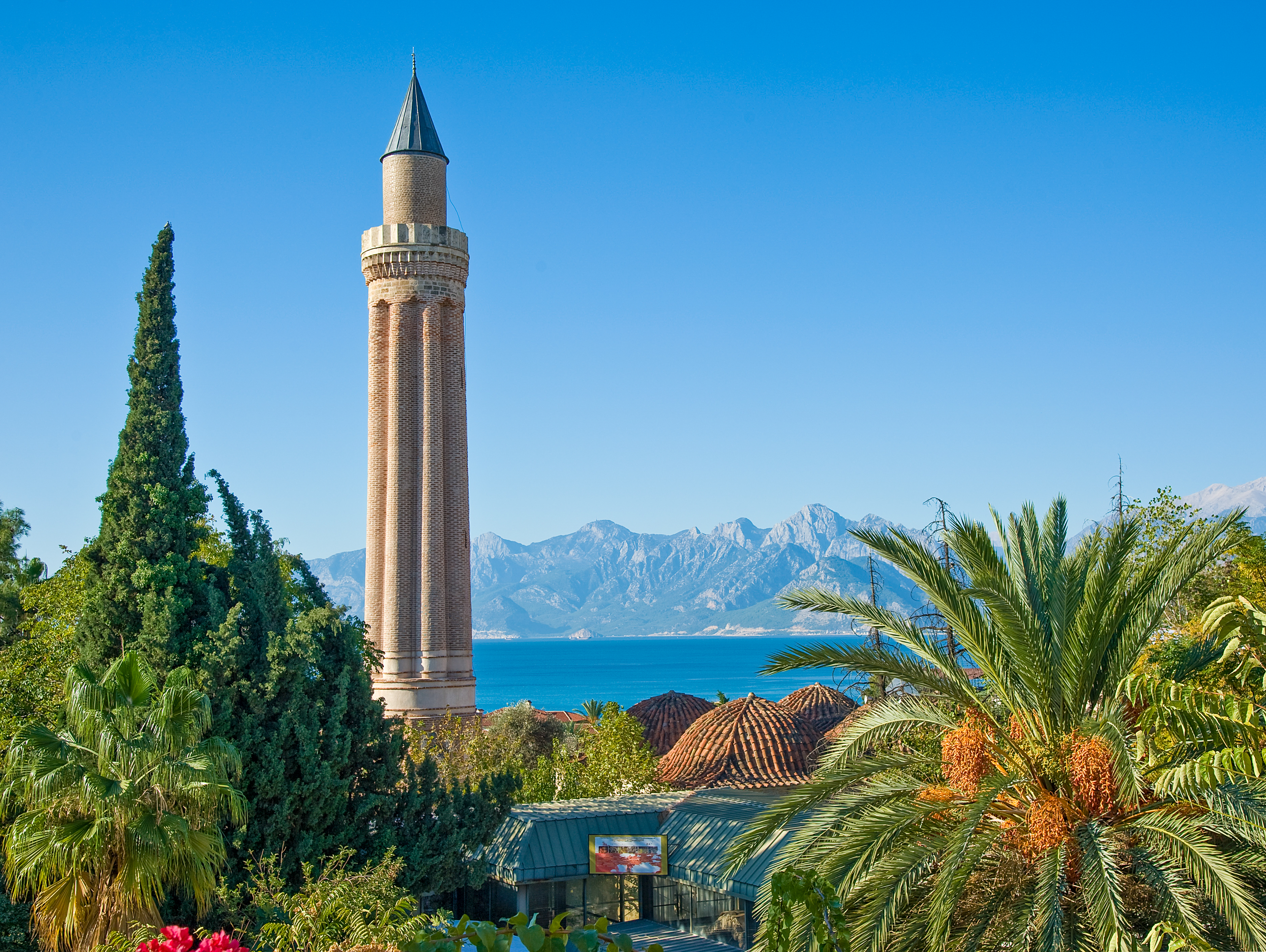
Rising majestically in the heart of Antalya, the Yivli Minaret is one of the city's most iconic and historic landmarks. A captivating example of Seljuk architecture, this minaret is immediately recognisable by its striking brickwork and fluted shaft, standing as a testament to Antalya's rich past. Constructed in the 13th century, it was once part of a larger complex and today stands proudly alongside the Yivli Minare Mosque, which remains an active place of worship. The Yivli Minaret and its surroundings are an architectural marvel you'll encounter as you wander through the narrow streets of Kaleiçi. The adjoining Yivli Minare Mosque draws visitors in with its architectural simplicity and serene atmosphere. You can find peace in the mosque courtyard, soak in the historical ambiance, and momentarily escape the city's hustle and bustle. It's a special stop for both worshippers and those interested in our historical and cultural heritage. ## Explore the Yivli Minaret and its Surroundings Situated at the epicentre of Kaleiçi, the Yivli Minaret serves as a natural starting point for your exploration of the old town. From the base of the minaret, you can lose yourself in the labyrinthine streets, discovering historical houses, boutique hotels, and artisan shops. The intimate atmosphere of the area and the historical details around every corner will transport you back in time. It's also just a short walk from other significant Antalya landmarks such as Hadrian's Gate, Karaalioğlu Park, and the old harbour. After a day of thorough exploration, you can enjoy a traditional Turkish tea or meal in one of the many cafes or restaurants nearby. The Yivli Minaret is not just a historical monument; it's the beating heart of a vibrant, living Kaleiçi. It's an absolute must-see for anyone wishing to experience the blend of historical texture, cultural richness, and warm hospitality that Antalya offers. Should you wish to delve deeper into this region, a guided tour such as the [Antalya City Tour](/en/tours/antalya-city-tour) can unveil the city's hidden gems. Additionally, for an authentic Turkish experience, consider indulging in a [Traditional Turkish Hammam](/en/tours/traditional-turkish-hammam). Discover all the beauty Kaleiçi has to offer by visiting our [Kaleiçi region page](/en/regions/kaleici). The Yivli Minaret is just one of the many starting points awaiting you on your Antalya adventure.

Hıdırlık Tower

Hıdırlık Tower

Standing proudly within the heart of Antalya's historic Old Town, Kaleiçi, Hıdırlık Tower has borne witness to the city's rich history since the 2nd century AD. Positioned majestically overlooking the ancient harbour, this impressive structure once served either as a defence fortification or perhaps a lighthouse. Today, it offers visitors unparalleled panoramic views of Kaleiçi, the Mediterranean Sea, and the charming bay. As you wander through the narrow, winding streets of Kaleiçi, Hıdırlık Tower suddenly emerges, promising a journey back in time. ## The Enigmatic Aura of Hıdırlık Tower The tower is enveloped by the lush greenery of Karaalioğlu Park. Here, you can unwind on benches, sip a refreshing drink, or simply immerse yourself in the breathtaking fusion of city and sea, all while enjoying the cool Mediterranean breeze. At sunset, in particular, the Hıdırlık Tower casts a reddish glow upon the sea, creating a captivating scene perfect for photography enthusiasts. Both its architectural design and unique location make the tower one of the clearest examples of the Roman Empire's enduring legacy in this region. Its intriguing form, featuring a square base topped with a cylindrical upper section, provides valuable insights into the construction techniques of that era. ### Surrounding Life and Accessibility Adjacent to the tower, the lively atmosphere of Kaleiçi truly begins. You can lose yourself in the labyrinthine streets filled with traditional Antalya houses, boutique hotels, charming cafes, and souvenir shops. If your stay in Antalya includes an interest in exploring the city's historical and cultural fabric, Hıdırlık Tower should be high on your must-visit list. Furthermore, a wide array of tours allows you to delve deeper into the city's offerings. For instance, a comprehensive [Antalya City Tour](/en/tours/antalya-city-tour) provides a comfortable way to see all the major sights, while a [Private Yacht Charter](/en/tours/private-yacht-charter) promises unforgettable moments on the azure waters of the Mediterranean. Since you're visiting the heart of Kaleiçi, don't forget to explore our dedicated [Kaleiçi](/en/regions/kaleici) page to discover more about this unique and soulful part of Antalya.

Karaalioğlu Park

Karaalioğlu Park

## A Green Oasis in the Heart of the Mediterranean Perched atop the dramatic cliffs of Antalya's city centre, Karaalioğlu Park stands as one of the city's most cherished green spaces. This magnificent park brings together the sparkling waters of the Mediterranean and the majestic silhouette of the Taurus Mountains, offering a peaceful retreat for both locals and visitors alike. With its wide pathways, well-maintained lawns, and centuries-old trees, it provides delightful moments at any time of day. From morning joggers to romantic couples watching the sunset, everyone finds their own special spot here. Undoubtedly, one of the park's most striking features is the panoramic vistas it affords. Particularly from the vicinity of the 'Hıdırlık Tower' and the observation terraces strung along the cliffs, the endless blue of the sea and the red-tiled roofs of historic Kaleiçi merge in unique harmony. As you revel in these views, you can also breathe in the park's distinctive atmosphere. The scent of flowers, the chirping of birds, and a gentle breeze create the perfect setting to escape the city's hustle and bustle. ### Cultural Touches and Events Karaalioğlu Park is enriched not only by its natural beauty but also by its cultural and artistic accents. The statues, monuments, and various public art installations throughout the park add another dimension to your stroll. The Antalya Metropolitan Municipality Theatre Hall is also located right next to the park, hosting a variety of cultural events. Furthermore, the park frequently hosts open-air concerts, festivals, and other special events, bringing vibrancy to the city. Thus, the park transcends being merely a resting area, transforming into a place of gathering and experience. To make the most of your visit to the park, you'll find easy access to other iconic points of the city. For instance, you can take a short walk from the park to explore the charming streets of historic Kaleiçi. If you wish to discover Kaleiçi and other beauties of Antalya more comprehensively, you might consider an option like the [Antalya City Tour](/en/tours/antalya-city-tour). This tour will provide you with an opportunity to get acquainted with the city's history and culture up close. Moreover, a [Boat Trip](/en/tours/antalya-boat-trip) offers an unforgettable experience to explore the deep blue waters beneath the cliffs. For more information on getting to the park and all the surrounding attractions, you can visit our [Kaleiçi region page](/en/regions/kaleici).

Kurşunlu Waterfall

Kurşunlu Waterfall

Nestled east of Antalya city, Kurşunlu Waterfall offers a refreshing escape from the urban hustle. This verdant oasis, with its captivating waterfall and surrounding nature park, is a cherished retreat for both locals and visitors alike. As you step into the park, you're greeted by a rich tapestry of flora and the cheerful chorus of birds. The majestice waterfall, cascading through a nearly 2-kilometre-long canyon, forms a series of seven small lakes, creating a truly spectacular visual display. ### A Day Immersed in Nature Kurşunlu Waterfall Nature Park isn't just about the waterfall's beauty; it also boasts a range of amenities. With picnic areas, children's playgrounds, and well-maintained walking trails, it's an ideal spot for a delightful family outing. During the summer months, the cooling mist from the waterfall and the dense canopy of trees offer a welcome respite from the oppressive heat. The park's restaurants and cafes provide an opportunity to savour the delights of Aegean and Mediterranean cuisine, all while enjoying breathtaking natural vistas. The waterfall is particularly vibrant in the spring, when melting snow feeds its flow, reaching its highest volume. Visiting during this period offers a fantastic chance to witness the waterfall in its full glory. ### Exploring the Surroundings While at Kurşunlu Waterfall, don't miss the opportunity to explore other nearby attractions. You could visit the ancient city of Aspendos or journey back in time amidst the ruins of Perge. Being quite close to central Antalya, you can easily combine your waterfall visit with a city tour, such as the one found at {en}/tours/antalya-city-tour. For those seeking a bit more adventure, tours like {en}/tours/tazi-canyon-jeep-safari offer a different perspective on the region's natural beauty. Kurşunlu Waterfall is a must-see for anyone in Antalya looking to relax and reconnect with nature. Especially if you're staying in the {en}/regions/konyaalti area, access is quite easy, making it a perfect day trip destination.

Konyaaltı Beach

Konyaaltı Beach

Nestled in the heart of Antalya, Konyaaltı Beach is a unique natural wonder that blends the city's vibrant energy with the serene azure of the Mediterranean Sea and the majestic silhouette of the Beydağları mountains. This miles-long pebble beach, stretching against the turquoise waters of the Mediterranean, has earned its "Blue Flag" status, internationally certifying its cleanliness and environmental standards. It's a perfect escape for those looking to sunbathe, swim in pristine waters, or simply enjoy the refreshing Mediterranean breeze. ## What to Do at Konyaaltı Beach? YouStart your day with a refreshing walk to breathe in the crisp Mediterranean air in the early morning, then spend the rest of the day basking in the sun and swimming in the sea. You can sip a cooling drink at one of the chic cafes lining the beach or enjoy a delectable lunch at restaurants serving fresh seafood. In the late afternoon, watching the spectacular play of colours as the sun sets behind the Beydağları mountains will transform into unforgettable moments. Especially during the summer months, the park areas and walking paths located behind the beach become popular relaxation and entertainment hubs for both locals and visitors alike. ### Discover More Konyaaltı Beach is much more than just a beach; with its modern facilities, water sports opportunities, and lively atmosphere, it caters to visitors of all ages. You can experience an adrenaline rush by participating in exciting water sports like jet skiing and parasailing, or simply rent a sun lounger and umbrella for a tranquil day by the sea. There are also specific play areas for families and safe swimming zones for children. If you're seeking a more exclusive experience, consider booking a private yacht charter tour via {locale}/tours/private-yacht-charter to explore Antalya's magnificent coastline. Additionally, delving into Antalya's historical and cultural riches with a guided tour, like {locale}/tours/antalya-city-tour, is an excellent option. Don't forget to explore the other beauties and activity options offered by the {locale}/regions/konyaalti region where the beach is located. Konyaaltı stands out not only as one of Antalya's most popular living centres but also with its natural beauty and diverse offerings.

Tünektepe Cable Car

Tünektepe Cable Car

Rising majestically behind Konyaaltı on Antalya's western shores, Tünektepe is a beloved spot for both locals and visitors, renowned for its breathtaking panoramic vistas. The Tünektepe Cable Car, or teleferik, effortlessly carries you 618 metres above sea level to this summit, offering one of the most stunning aerial views of Antalya. The cable car journey itself provides an unparalleled perspective of the Antalya coastline, the sparkling Mediterranean Sea, and the majestic foothills of the Taurus Mountains – it feels just like stepping into a living postcard. ### What Awaits You at the Tünektepe Summit? Upon reaching the summit, you'll discover a modern and versatile facility. The revolving restaurant offers the chance to savour delicious meals and beverages while enjoying an uninterrupted 360-degree panorama. This unique venue is ideal for celebrating special occasions or enjoying a romantic dinner. Additionally, there are cafés available for lighter snacks and a relaxing tea or coffee. You can browse various shops for local souvenirs and handicrafts, ensuring you take a piece of this experience home with you. For photography enthusiasts, Tünektepe provides an exceptional backdrop for capturing sunsets or Antalya's enchanting night lights. If you wish to extend your cable car experience, consider incorporating it into a broader excursion like the Antalya City Tour available at {en}/tours/antalya-city-tour, giving you the opportunity to explore more of the city's highlights. ### Discover Antalya from Above More than just a mode of transport, the cable car is an experience in itself. You can enjoy the cool breezes in summer or, at times, the snow-capped peaks in winter. Tünektepe is a perfect choice for quality family time, a romantic rendezvous, or simply a moment to deeply appreciate Antalya's natural beauty. The observation decks at the summit offer fantastic vantage points to survey the endless blue of the Mediterranean and the picturesque sweep of the coastline. For other explorations in the area, check out our Konyaaltı guide at {en}/regions/konyaalti. If you're looking for the best cable car experience Antalya has to offer, Tünektepe should certainly be your first stop.

Antalya Aquarium

Antalya Aquarium

Antalya Aquarium, nestled in the heart of the Mediterranean, offers a captivating underwater world for visitors of all ages. Situated just behind Konyaaltı Beach, this impressive complex boasts one of the world's largest tunnel aquariums. As you step inside, you'll feel as though you've descended into the ocean's depths, witnessing thousands of diverse marine creatures swimming in their natural habitats. It's an unforgettable experience. The Aquarium isn't limited to fish species; it also features distinct thematic areas. The main tunnel aquarium, notably 131 metres long and 3 metres wide, takes you on a walk surrounded by fish, stingrays, and even sharks. As you pass through this tunnel, you'll feel almost face-to-face with the aquatic life. Specially designed touch pools and interactive exhibits for children provide educational and entertaining moments. Beyond the underwater realm, Antalya Aquarium introduces you to the coldest climates of terrestrial life with its "Snow World & Ice Museum." Here, you can enjoy real snow and ice sculptures, stepping into a completely different world from the warm Antalya weather. Furthermore, the "WildPark" section houses tropical reptiles and insects, offering the chance to discover diverse species. During your visit, you can take a break at the cafes within the Aquarium complex and pick up meaningful souvenirs for loved ones from the gift shops. Antalya Aquarium is a unique centre promising both entertainment and education. It offers an excellent opportunity for families to spend a wonderful day and is a must-see for anyone interested in marine life. If you're looking for a different experience during your Antalya holiday, this should definitely be on your list. If you wish to explore the magic of the Mediterranean underwater, you can visit the Aquarium as part of tour options like an [Antalya City Tour](/en/tours/antalya-city-tour). Or, for a day packed with excitement, enjoy the thrills with a [Land of Legends Ticket](/en/tours/land-of-legends-ticket). Don't forget to check out our [Konyaaltı](/en/regions/konyaalti) page for other regional wonders.

Lara Beach

Lara Beach

## Lara Beach: The Jewel of the Antalya Riviera Pristine waters of the Mediterranean embrace Lara Beach, one of Antalya's most iconic and luxurious destinations. This region, truly deserving of the moniker "Antalya Riviera," is renowned for its golden sandy shores, palm-lined promenades, and hotels that resemble a veritable paradise. Lara Beach is not merely a place for sunbathing and swimming; it's a vibrant living space offering an unforgettable holiday experience. The beach, with its fine sand, is ideal for families with children. Sun loungers and parasols stretch along the coastline, providing comfortable sunbathing opportunities throughout the day, while beach clubs and cafes serve refreshing drinks and snacks. For adrenaline enthusiasts, numerous water sports activities such as parasailing, jet skiing, and banana boats are available. Lara is also conducive to windsurfing and kiteboarding due to its favourable winds, welcoming both experienced athletes and beginners alike. Strolling along the shoreline, cycling, or enjoying a romantic sunset walk hand-in-hand are just a few of the pleasures Lara offers. ### Luxury Accommodation and Entertainment Another element that makes Lara Beach so special is the thematic, ultra-luxury hotels located along the coastline, also known as the "Hotel Zone." Home to some of Turkey's finest hotels, this area dazzles with unique designs ranging from Egyptian pyramids to Venetian canals, from the grandeur of the Kremlin to ship-themed architecture. With private beach areas, water parks, spa centres, and restaurants offering world cuisines for hotel guests, Lara aims to exceed all your holiday expectations. Thanks to its proximity to Antalya city centre, reaching other tourist attractions from Lara Beach is quite easy. You can particularly enjoy the indulgence of a luxury yacht cruise on the blue waters of the Mediterranean towards afternoon or evening: [Private Yacht Charter](/en/tours/private-yacht-charter). Furthermore, if you wish to reach your hotel comfortably directly from the airport, you might consider [VIP Airport Transfer](/en/tours/airport-transfer-vip) options. Remember, the Lara region is one of Antalya's most coveted spots, and you have many more reasons to explore it: [/en/regions/lara]. Every moment you spend in Lara will leave sweet memories in your heart, warmed by the Mediterranean sun.

Sandland Sand Sculpture Museum

Sandland Sand Sculpture Museum

## Sandland Antalya: A Magical World of Sand Hugging the vibrant Lara Beach in the bustling heart of Antalya, Sandland Sand Sculpture Museum offers a unique open-air exhibition that enthrals thousands of visitors annually. This captivating museum leads you on an adventure filled with monumental sand creations, thematically arranged and brought to life by talented sculptors from around the globe. With a fresh theme unveiled each year, there's always a compelling reason to revisit Sandland. Past themes have included 'Wonders of the World', 'Hollywood Legends', or 'Myths and Legends', showcasing creations that defy imagination and transport you to other realms. ### The Secret Behind the Sand Giants Sandland is more than just impressive sculptures; it tells a story of how sand can be transformed into a work of art. Utilising tens of thousands of tonnes of river sand, and built using only water and sand, these entirely natural constructions offer visitors both a visual feast and an engineering marvel. As night falls, special LED lighting transforms the sculptures, creating a truly magical atmosphere. For families with children, Sandland offers both an entertaining and educational day out. Children will marvel at how such large and detailed sculptures can be made from sand, while adults will admire the fusion of art and nature. ### Tips for Your Sandland Visit Sandland is just one of many attractions offered by the Lara region. When planning your visit, consider other activities and tours in the area. For instance, you could spend time on the famous nearby beaches or consider an exploratory tour to discover the dynamic atmosphere of the region. Don't miss this unique experience in the heart of Antalya! Remember, these magnificent sculptures are ephemeral, only to be reborn with a new theme each year. Therefore, it's worth seizing the opportunity to see the current exhibition. To explore other beauties of the Lara region, be sure to visit our /{locale}/regions/lara page. If you’d like to discover other historical and cultural sites in the city centre, you can book an [Antalya City Tour](/en/tours/antalya-city-tour) or check out tickets for the fun-filled [Land of Legends](/{locale}/tours/land-of-legends-ticket).

Mount Tahtalı Cable Car

Mount Tahtalı Cable Car

If you find yourself in the Kemer region of Antalya, a ride on the Mount Tahtalı Cable Car should undoubtedly be at the top of your holiday itinerary. Known by its fitting motto, 'From Sea to Sky,' this exceptional experience transports you from the sun-drenched beaches of Kemer high above the clouds to the majestic summit of Mount Tahtalı, standing at 2,365 metres. It's not merely a cable car journey; it's an unforgettable adventure offering breathtaking Mediterranean vistas. ### The Call of the Summit Upon arriving at the cable car station, your excitement begins long before you step into a cabin. The spacious cabins, accommodating up to 80 people, feature full glass walls, providing panoramic 360-degree views throughout the 10-15 minute ascent. As you climb, the lush pine forests, the formidable slopes of the Taurus Mountains, and the picturesque coastline where blue meets green unfurl beneath you like a living painting. Once at the summit, you're greeted by an endless expanse of the azure Mediterranean, a sweeping coastline stretching from Finike to Alanya in the distance, and the snow-capped peaks of the Taurus range. The scenery here is indescribably beautiful. Have your cameras ready, for there are countless stunning memories to capture from every angle. ### Activities at the Summit Mount Tahtalı Cable Car stands out not just for its views but also for the facilities it offers at the summit. You'll find a restaurant and cafeteria serving hot and cold beverages and delicious meals. Sipping coffee or enjoying a snack whilst taking in the views is an essential part of the summit experience. There's also a gift shop where you can pick up souvenirs for loved ones. For adrenaline seekers, activities like paragliding are available. Soar gracefully from the mountain slopes for a unique bird's-eye view, satisfying your craving for adventure. In winter, when the summit is covered in snow, this experience becomes even more enchanting. You can enjoy walks in the snowy landscape, have a snowball fight, and spend a day straight out of a winter fairy tale. Remember, the weather at the summit is typically colder than below, so be sure to dress in layers. Mount Tahtalı Cable Car is one of the most memorable activities in the Kemer region, perfect for families and adventure enthusiasts alike. If you wish to add a different dimension to your holiday and witness the unique nature of the Mediterranean from above, this experience is not to be missed. To discover other beauties offered by Kemer, please visit our [Kemer region page](/en/regions/kemer). If you wish to combine your cable car experience with other Antalya attractions, explore tours such as our [Antalya City Tour](/en/tours/antalya-city-tour) or the [Suluada Boat Tour](/en/tours/suluada-boat-tour).

Yanartaş (Chimaera)

Yanartaş (Chimaera)

Nestled near Kemer in Antalya, just above the enchanting Çıralı beach, Yanartaş is a unique natural wonder, captivating visitors with its eternal flames that have burned for millennia. Known also as "Chimaera," this extraordinary site has inspired mythological tales and legends since antiquity. Strategically located on the Lycian Way, Yanartaş offers a mystical experience, especially at dusk and after sunset, when the flames pierce through the darkness, creating a truly mesmerising spectacle. To reach Yanartaş, you embark on a pleasant uphill hike of about 1 kilometre from Çıralı. This walk takes you through a natural setting surrounded by pine trees and maquis shrubland, offering an enjoyable experience for nature lovers in itself. Upon reaching the summit, you are greeted by dozens of flames, large and small, caused by methane gas seeping from beneath the earth and igniting. These flames are a geological phenomenon, burning continuously, never extinguishing. Yanartaş's perpetually burning fire is associated with the mythological creature Chimaera, a beast with the head of a lion, the body of a goat, and the tail of a serpent, as described in Homer's Iliad. According to legend, a hero named Bellerophon, riding the winged horse Pegasus, slew the Chimaera here, and since then, the monster's fiery breath has continued to burn as these everlasting flames. When visiting Yanartaş, we highly recommend bringing a torch or a portable light source, as the descent can be quite dark in the evening. You might also consider bringing some small snacks and drinks to enjoy while sitting among the flames, soaking in the unique atmosphere. The area around Yanartaş is also a wonderful spot for a picnic or stargazing, making it an unforgettable stop for families and couples seeking romantic moments. To further enrich your Yanartaş experience, you can explore other beauties of the region with tours such as our [Antalya City Tour](/en/tours/antalya-city-tour). Don't forget to visit our [Kemer region page](/en/regions/kemer) for a journey through Kemer's natural and historical treasures. Combining millennia-old legends with the unique power of nature, Yanartaş is set to be one of the most striking highlights of your Antalya visit.

Göynük Canyon

Göynük Canyon

Hidden a mere few kilometres from Kemer, on the western side of Antalya, Göynük Canyon is a natural wonder where the Mediterranean's most beautiful shades of green and blue converge. Carved into the foothills of the Taurus Mountains, this canyon offers visitors an unforgettable adventure and an immersive nature experience. ## Embrace Nature: Hiking and Trekking From the moment you enter the canyon, the crystal-clear waters and lush vegetation welcome you, giving the feeling of stepping into another world. As you proceed deeper into the canyon along a long and enjoyable walking trail, you'll be accompanied by the harmonious sounds of birds and the peaceful murmur of waterfalls. With hiking routes of varying difficulty, both families and experienced trekkers can find a suitable path. Occasionally, paths lead through shallow waters, making the experience even more delightful. Especially in the summer months, walking in the cool waters of the canyon offers a refreshing escape from the oppressive heat. ## For Adrenaline Junkies: Canyoning and Zipline Göynük Canyon isn't just for tranquil walks; it also offers numerous opportunities for adventure enthusiasts seeking an adrenaline rush. Canyoning – progressing through the canyon by swimming, climbing, and sliding, always accompanied by a guide – is one of the region's most popular activities. Passing under waterfalls and swimming in natural pools in Göynük's icy waters will create memories you'll cherish for a lifetime. Furthermore, a colossal zipline spanning the two sides of the canyon offers the chance to glide like a bird metres above the ground. This unique experience provides a breathtaking panoramic bird's-eye view of the canyon's magnificent scenery. During your visit, remember to bring spare clothes and wear appropriate footwear for water sports. Canyoning equipment and guide services are available from the facilities. By visiting Göynük Canyon, you can spend a unique day that will both relax your soul and invigorate your body. Prepare for an unforgettable day of nature and adventure! For those seeking more adventures in the heart of nature, you can also explore other options offered by the Kemer region and Antalya. For instance, you could experience the thrill of rafting in Köprülü Canyon (see: /en/tours/koprulu-canyon-rafting) or enjoy an adrenaline-packed day with a jeep safari in Tazi Canyon (see: /en/tours/tazi-canyon-jeep-safari). Don't forget to check out Kemer tours to discover the region's beauty: /en/regions/kemer.

Side Ancient City

Side Ancient City

Nestled on Antalya's unique Side peninsula, where the blue waters of the Mediterranean meet verdant landscapes, Side Ancient City is a rare blend of historical and natural beauty. Named after the 'pomegranate', symbolising abundance and fertility, Side has hosted various civilisations for millennia, with its roots tracing back to the 7th century BC. This remarkable site, with its monumental structures bearing the hallmarks of Greco-Roman periods, narrow stone streets, and the iconic Temple of Apollo standing majestically by the sea, is quite simply a living open-air museum. Stepping into Side feels like taking a journey through time itself. ### The Heart of a Once-Thriving Port City In antiquity, Side was one of Pamphylia's most crucial port cities, a bustling hub of trade connecting East and West. The magnificent main gate and city walls, which greet you upon arrival, stand as testament to the city's former grandeur. The ancient theatre, with a capacity of approximately 15,000, hosted not only plays but also gladiatorial contests and political gatherings. Imagine yourself among the ancient crowds, listening to the echoes of the past as you sit within its weathered tiers. Further into the city, the Forum, Agora, and State Agora formed the heart of Side's social and commercial life. Wandering through these ruins, amidst the remains of ancient marketplaces, gathering areas, and public buildings, you can uncover fascinating clues to daily life in ancient Side. ### Temples by the Sea and Eternal Sunsets One of the most iconic symbols of Side Ancient City is, without doubt, the Temple of Apollo. With its sand-coloured columns bathed in the golden hues of sunset, this temple creates a truly postcard-perfect scene. Dedicated to the god Apollo, and standing alongside the nearby Temple of Athena, these structures carry the sacred beliefs of antiquity into the present day, taking on an exceptionally breathtaking atmosphere, especially in the evening. A sunset viewing here is an absolute must; the moments when the Mediterranean is painted with shades of orange and purple will be etched into your memory forever. Ancient ruins, bathhouses, and fountains stretching along the coastline reveal that Side was not merely a port city, but also a prosperous community. A visit to the Side Museum offers a closer look at artefacts unearthed from the city's excavations, providing deeper insight into the region's rich history. Allow ample time to explore Side, get lost in its charming streets, and uncover the stories hidden around every corner. Side offers a delightful and educational experience, particularly for families with children, making it an excellent choice for a holiday steeped in history. A day spent in Side will be filled with unforgettable memories. Enhance your trip by exploring our tours that cover this gem of Antalya and its surroundings: [Perge Aspendos Side Tour](/en/tours/perge-aspendos-side-tour) and [Antalya City Tour](/en/tours/antalya-city-tour). Don't forget to check out other beautiful sites in the [Side region](/en/regions/side) for further discovery.

Manavgat Waterfall

Manavgat Waterfall

Near Antalya, in the Side region, lies the famous Manavgat Waterfall. It's not a thundering cascade from a great height but rather a wide, low-drop sheet of water formed as the Manavgat River flows across the plains. This unique formation offers visitors a refreshing and peaceful atmosphere. The area surrounding the waterfall is a beautifully landscaped park, shaded by plane trees and lush greenery. Here you'll find picnic tables, shaded seating areas, and a selection of riverside tea gardens and restaurants. Especially during the scorching summer months, the gentle coolness rising from the waterfall's waters feels like an oasis. ### Experiencing Manavgat Waterfall Upon visiting the waterfall, you are greeted by the soothing sound of the water and every shade of green. From the expansive viewing terraces, you can comfortably observe the waterfall in all its glory, the flow of the water, and the frothy eddies it creates. There are also play areas for children and souvenir stalls. Cross the bridges over the river to enjoy the scenery from different angles and take pleasant walks amidst the greenery. At the riverside restaurants, you can savour fresh fish or local delicacies. Manavgat Waterfall also serves as a natural studio for photographers; you can capture wonderful shots, especially in the early mornings or under the soft light of sunset. ### Exploring the Surroundings You can combine your visit to Manavgat Waterfall with exploring other beauties of the Manavgat region. For instance, discovering ancient ruins just a short drive from the waterfall could be a wonderful idea. Visit local markets to see indigenous products and handicrafts. If you wish, you can join boat tours on the Manavgat River to experience the area from a different perspective amidst the river's serene flow. The tranquil atmosphere of the waterfall and the surrounding amenities offer an unforgettable day out for both families and nature lovers. Our full-day tours that combine Antalya's natural and historical riches, such as the {/en/tours/perge-aspendos-side-tour} itinerary, can include Manavgat. Furthermore, this beautiful waterfall is just one of many wonders to discover in the {/en/regions/side} region. For those seeking a peaceful escape, this will be an indispensable stop.

Alanya Castle

Alanya Castle

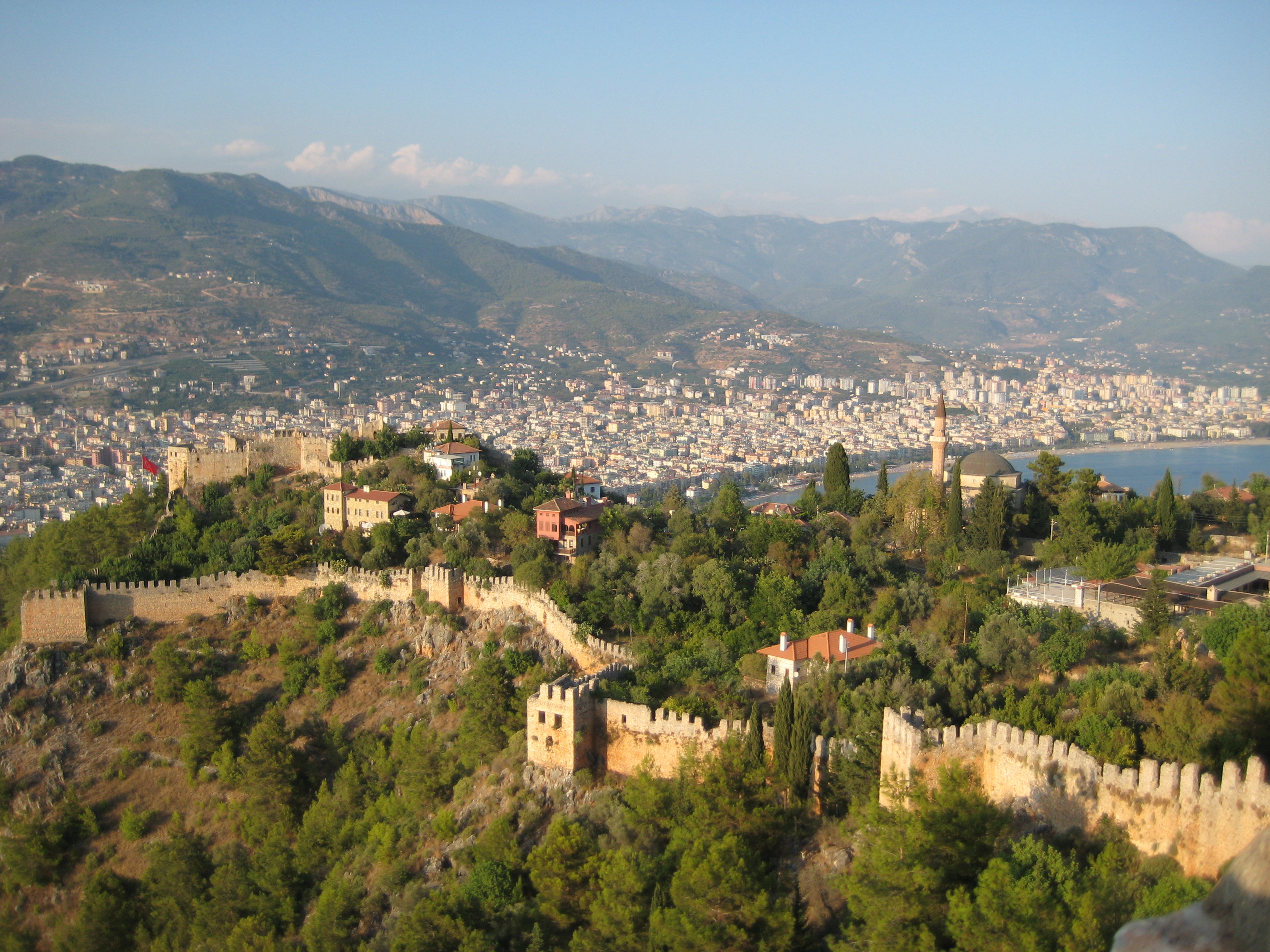
Alanya Castle, one of Anatolia's most impressive Seljuk structures, majestically rises on a historic headland overlooking the deep blue waters of the Mediterranean. This formidable fortress stands as Alanya's iconic symbol and a vibrant testament to the region's rich history. Its strategic position at an altitude of 250 metres provided unparalleled control over both defensive lines and trade routes, making it clear why civilisations throughout centuries valued this location so highly. Visiting Alanya Castle is not merely about wandering within stone walls; it's about enjoying breathtaking vistas and marvelling at architectural genius. The inner citadel, outer walls, and key structures like the Red Tower (Kızılkule) showcase the exquisite craftsmanship of Seljuk architecture. Within the castle, you'll also find the Süleymaniye Mosque, baths, and civilian dwellings dating back to the Ottoman period. Every corner, every wall, is steeped in stories stretching from the past to the present. The winding paths here offer a new discovery with every step, and the panoramic views of Alanya and the sea from atop the ramparts will leave an indelible impression. ## Discovering Alanya Castle's Treasures Undoubtedly, one of the castle's most striking features is the Red Tower (Kızılkule). This monumental octagonal tower, guarding the harbour, now functions as an Ethnography Museum, housing artefacts that reflect Alanya's local culture. Furthermore, the remains of a Byzantine Church within the Inner Citadel and the Seljuk Shipyard (Tersane) further augment the castle's historical depth. The Shipyard was used as a centre for shipbuilding and repair against naval attacks, demonstrating the powerful maritime understanding of its era. The areas nestled on the castle's steep slopes, which are still inhabited today, are dotted with traditional Alanya houses and charming boutique cafés. As you stroll here, you'll feel time slow down, enabling you to savour local delicacies and visit handicraft workshops. Restaurants at the top of the castle offer a perfect opportunity to watch the sunset over Alanya and the Mediterranean. A dinner in this unique ambiance will make your Alanya trip truly unforgettable. ## Recommendations for Visiting Alanya Castle To fully experience Alanya Castle, we recommend dedicating at least half a day. Early mornings or late afternoons are ideal for a calmer atmosphere and softer light for photography. Comfortable walking shoes are essential due to the steep and stony paths within the castle. Additionally, remember to bring a hat, sunscreen, and plenty of water during the summer months. If you wish to explore Alanya and its surroundings in more detail, you might consider options such as an [Antalya city tour](/en/tours/antalya-city-tour). For a different perspective, you can also view the castle from the sea on an <a href="/en/tour/alanya-boat-trip" title="Alanya boat trip">Alanya boat trip</a>. Don't forget to visit our [Alanya region page](/en/regions/alanya) for other attractions and tours in Alanya.

Damlataş Cave

Damlataş Cave

## Welcome to Damlataş Cave: Alanya's Hidden Healing Sanctuary When you visit Alanya, your trip wouldn't be complete without stepping into the enchanting world of Damlataş Cave, Turkey's first cave opened to tourism. Named after the drops of water that fall from its stalactites (Damlataş means 'stone of drops'), this unique cave is renowned not only for its natural beauty but also for its therapeutic properties. If you suffer from respiratory issues, or simply wish to witness an exceptional work of nature, Damlataş Cave is an ideal stop for you. As you pass through the cave's entrance, you're greeted by cool, humid air. The consistent temperature of 22-23°C (72-73°F), 90-98% humidity, and high carbon dioxide levels within the cave create a natural healing environment, especially beneficial for asthma sufferers. Scientific research has indicated that the cave's air can help alleviate asthma symptoms. Consequently, many individuals visit here seeking relief and report feeling better after regular visits. The visual spectacle of Damlataş Cave is truly captivating. Stalactites and stalagmites, formed over millions of years, rise in various shapes and sizes throughout every corner of the cave. The interior lighting further enhances the beauty of these natural formations, offering visitors what feels like an underground art gallery. These structures, each a result of centuries of work by a single drop of water, are testaments to nature's patience and power. You should proceed slowly and calmly to fully appreciate the cave's formation process and geological features. The pathways inside are well-maintained and provide a safe experience for visitors of all ages. Located in the heart of Alanya, very close to Kleopatra Beach, Damlataş Cave is easily accessible. You can effortlessly incorporate it into your day trips during your stay in Alanya. A visit to the cave typically lasts around 30-45 minutes, though those who wish to savour the atmosphere might stay longer. Should you wish to explore more of this region, you can also check out [other beauties in the Alanya region](/{locale}/regions/alanya). Beyond this healing experience, you might also consider options like [Antalya city tours](/{locale}/tours/antalya-city-tour) to discover the stunning beauty and history of Antalya. Damlataş Cave is not merely a tourist attraction in Alanya, but also a refuge where you can rejuvenate both body and soul.

Cleopatra Beach

Cleopatra Beach

## Cleopatra Beach: Alanya's Crown Jewel Where the azure waters of the Mediterranean meet golden sands beneath the majestic shadow of Alanya Castle: this is Cleopatra Beach. Situated in the heart of Alanya, this legendary beach isn't just a holiday destination; it promises an unforgettable experience. Legend has it that Cleopatra, the Queen of Egypt, was so captivated by this stretch of sand during her visit to Alanya that she chose it for her personal baths. Even today, this unique natural beauty continues to be one of the most popular beaches on the Mediterranean, living up to the splendour of its namesake. ### Exquisite Sands and Crystal-Clear Waters The most striking features of Cleopatra Beach are its fine, golden sands and crystal-clear waters. The velvety sand beneath your feet and the warm sea that beckons you into its blue depths create an ideal environment for cooling off and sunbathing all day long. The beach holds a Blue Flag award, signifying its international standards for cleanliness and safety. With a sea that starts shallow and gradually deepens, it offers a safe swimming experience for both children and adults. Numerous establishments on the beach offer sun loungers and parasols for rent, ensuring you can comfortably enjoy the sun and sea. ### Activities and Surrounding Beauty Cleopatra Beach offers much more than just sunbathing and swimming. For water sports enthusiasts, there are many options such as windsurfing, jet skiing, and parasailing. For those seeking adrenaline, a fantastic alternative is to take the Alanya Cable Car, located right next to the beach, up to the castle for a bird's-eye view. Furthermore, breathing the therapeutic air of Damlataş Cave, situated at the foot of Alanya Castle, can be a cultural highlight of your Cleopatra Beach visit. In the late afternoon, you can enjoy a romantic stroll along the shore while watching the sunset, or taste local delicacies at the cafes and restaurants surrounding the beach. You can also explore these unique coastlines from a different perspective with [private yacht charters](/en/tours/private-yacht-charter) in the Alanya region. For an unforgettable Alanya experience, definitely turn your route towards the [Alanya region](/en/regions/alanya). ### Cleopatra Beach for Unforgettable Memories Cleopatra Beach is captivating not only for its natural beauty but also for its vibrant atmosphere. It’s a paradise where you can spend peaceful and fun moments with your family, friends, or simply by yourself. Whether you choose to spend the entire day relaxing on the sand or releasing your energy with dynamic water sports, Cleopatra Beach will always offer an experience beyond your expectations. We wish you an enjoyable visit!

Kaputaş Beach

Kaputaş Beach

## Discover Kaputaş Beach Welcome to Kaputaş Beach, a hidden gem nestled between Kaş and Kalkan, embraced by the magnificent views of the Taurus Mountains. This iconic cove is renowned as a pearl of Turkey's southwestern coast, attracting thousands of visitors each year. With its astonishing turquoise waters, golden pebble beach, and surrounding steep cliffs, Kaputaş looks as though it has leapt straight from a postcard. The only way to reach this natural beauty is via approximately 180 steps winding down between the cliffs. With each step you take downwards, the captivating tableau where blue and green merge becomes clearer. The refreshing Mediterranean waters that greet you upon arrival at the beach are perfect for cooling off, especially during the sweltering summer months. Kaputaş's waters are fed by underground springs, making them cooler and clearer than other beaches, which in turn makes it a fantastic spot for snorkelling and observing marine life. While the beach is often favoured for day trips, sun loungers and umbrellas are available for rent, and there's a small canteen for those wishing to spend extended hours. This canteen provides basic necessities such as sandwiches, toast, and refreshing drinks. However, if you're looking for something special, we recommend bringing your own snacks and beverages. Its easy accessibility from Kaş and Kalkan makes Kaputaş a popular stop for both locals and tourists alike. Don't just sunbathe and swim in this dazzling cove; take the time to enjoy the surrounding natural beauty. You can relax in the shaded areas provided by the cliffs and find peace listening to the melodic sound of the waves. Kaputaş also offers unique frames for photography enthusiasts; especially at sunrise and sunset, when the sky and sea burst into a riot of colours, ensuring unforgettable memories. To make your Antalya trip even more memorable, explore the beauties beyond Kaputaş. If you wish to be enchanted by ancient cities, you can join a {/en/tours/kekova-sunken-city-tour} Kekova Sunken City Tour. For those seeking a more exclusive experience, our {/en/tours/private-yacht-charter} private yacht charter options allow you to explore this unique coastline from the heart of the blue. There are many more reasons to discover the {/en/regions/kas} Kaş region and its surroundings where Kaputaş is located. This part of Antalya is an invaluable treasure for those seeking both adventure and tranquility. ## Why You Should Visit Kaputaş Kaputaş Beach is much more than just a beach; it offers a slice of life where you can experience the natural beauty of the Mediterranean in its purest form. With its turquoise waters, sparkling sands, and impressive geographical structure, it will soothe your soul and promise you a unique escape. This place whispers a different story to each visitor and creates indelible memories. Give yourself one of the most beautiful gifts of the Mediterranean by exploring this unique cove.